This course shows users how to create a custom report in Crystal Reports 8 and customize it by inserting special fields and changing object properties.
Class goals :
Create custom reports
Insert special fields
Use guidelines
Change text object properties
Change date object properties
Content of Crystal Reports 8 Series: Designing a Report
Inserting Fields
Inserting and Using Special Fields
Using Guidelines
Changing Text Object Properties
Changing Date Object Properties
Training Crystal Reports 8 Series
Onze voordelen :
Type of training: Inter-company, intra-company and individual
100% flexible & personalised training : You choose the place, the dates and the training program
Offer request : Response within 24 hours
50% discount for SME’s from Brussels-Capital Region
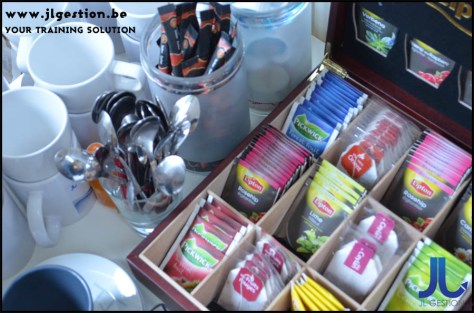
Free parking, lunch & drinks
Free use of our Digital Competence Centre: Manuals, courses, exercises, …
It covers many networking topics, including the TCP/IP model; network topologies, media, interfaces and utilities; ARP and RARP; configuring IP; IPMP (Multipathing); network aggregations, routing; IPV6 (IP version 6); DNS (Domain Name System); DHCP (Dynamic Host Configuration Protocol); NTP (Network Time Protocol) and IP Filter Firewall.
Class goals :
Takes trainees who have completed the Solaris 10 System Administration (Part 1) and Solaris 10 System Administration (Part 2) courses and adds additional network administration knowledge to their portfolio, up to a level required for the CX-310-302 Solaris Network Administrator exam.
Content of Solaris Network Administration
Basic Network Configuration
Static configuration using files
Dynamic configuration using DHCP
The IPv4 address scheme, including classful and classless addresses
The private address space
Populating the /etc/inet/hosts file; using host aliases
Creating logical interfaces
Basic subnetting
Network daemons and the Service management facility
Using TCP Wrappers to restrict access to services, with rule examples.
The TCP/IP Model
The fundamentals of the TCP/IP network model
Transmission Control Protocol/Internet Protocol (TCP/IP) model layers
peer-to-peer communication and related protocols
understand TCP/IP protocols
LAN Components and structures
Identify the different types of network topology
Describe network media and devices
Ethernet Interfaces
Ethernet concepts
Ethernet frames
Using network utilities
Using Open Source network utilities
ARP and RARP
Address Resolution Protocol (ARP) functions and implementation
Reverse ARP (RARP)
IP Configuration in Solaris
The Internet layer protocols
IP datagrams
Address types
Subnetting and variable length subnet masks (VLSMs)
Setting up wireless networking
iSCSI targets and administration
IPMP – IP Network Multipathing, and Link Aggregations
Configure and manage IP multipathing
configure and manage Link Aggregations using dladm
Configuring Routing
Routing fundamentals
The routing table, and table population
Routing protocols
Static and dynamic route configuration
Classless inter-domain routing (CIDR)
Configure routing for system startup
Troubleshoot routing
IPv6
IPv6 overview
IPv6 addressing and address types (Unicast, multicast, etc)
Neighbour Discovery Protocol
Enabling and managing IPV6 in Solaris
Logical interfaces
IPv6 aware utilities
IPv6 Routing
IPv6 Tokens and temporary addresses
IPv6 and Name Services
6to4 routing
IPV6 multipathing
The Transport Layer
Transport layer basics
User Datagram Protocol (UDP)
Transmission Control Protocol (TCP)
TCP Flow Control
DNS Server Configuration
Name Services and DNS Overview
The Name Service Switch /etc/nsswitch.conf
The named daemon and the /etc/named.conf file
DNS resource record types and formats
Domains and Zones of authority
DNS Master server configuration
Creating and maintaining the data store
DNS client configuration and testing
Adding access to higher-kevel domains (internet)
Adding Reverse Mapping data files
Slave server configuration
Dynamic DNS (with DHCP updates)
Cache-only and Forwarding servers
DNS server security
Using the rndc command
DNS and IPv6
DNS SMF properties
Dynamic Host Configuration Protocol – DHCP
DHCP Overview
Setting up a DHCP server with dhcpconfig or dhcpmgr
Adding network tables, table entries and information macros
Managing the DHCP addresses; assigning permanent addresses
Creating custom symbols and macros
Setting up a DHCP relay agent
The dhcpagent process and dhcpinfo command
Configure and manage DHCP clients
ifconfig DHCP options
Client hostname issues
The eventhook script
Network Time Protocol – NTP
Overview of time control in Solaris
Network Time Protocol overview, time sources, and stratum servers
Configuring an NTP server
Configuring an NTP client
Obtaining information (ntpq and xntpdc)
Solaris IP Filter Firewall
IPfilter Overview
Filter Rules with examples
Configuration file preparation
Using the ippools feature
Using ipfstat to examine active rules, and statistics
Logging filter activities, and monitoring them with ipmon
Enabling and disabling the IPfilter service
Network Information Service (NIS) – These notes are included for reference purposes only
Introduction.
Creating a fully-functioning NIS service.
Using the ypinit command to create Master and Slave servers.
Updating the NIS information from the command line.
Using SMC with NIS to manage users, groups and hosts.
Adding NIS clients.
NIS file policies.
Creating and using netgroups with /etc/netgroup.
Adding your own data to NIS.
Modifying the NIS Makefile.
Disabling NIS.
LDAP Name Services – These notes are included for reference purposes only
Introduction to LDAP
Data examples
DIT and data structure
Schemas
Servers and clients
Planning and Preparation
Sun Java Directory Server
Directory Server Components
Directory Server Download
Distribution unpacking
Running idsktune
Directory Server basic setup, testing, getting status information, adding test data
Using idsconfig to populate the server with standard name-service data
This Solaris System Administration training course will provide delegates with practical experience of configuring various aspects of a Sun Microsystem Solaris system up to and including Solaris version 10. This course extends the skills a delegate will have gained from attending the Solaris System Administration – Part 1 course.
Class goals :
Administering Solaris systems involves many specialised tasks including; monitoring system events with syslog, performing network installations, dealing with various aspects of the network environment and assigning system roles to users. Delegates taking this class will gain the necessary knowledge and skills to perform these tasks.
The delegates will practise:
Configuring and Managing DNS
Configuring and Managing NIS
Control of remote File Systems with NFS and Auto mount
Managing Disk Space in the Solaris Volume Management environment using the Solaris Management Console and standard commands
Managing swap space
Setting up the JumpStart facility to automate installation
Installing a system with a Flash Archive
Live Upgrade
Managing the System and Program Dump file environment
Managing system event logging with syslog
Allocating system tasks to users using Role Based Access Control (RBAC)
Configuring and accessing Zones
Content of Solaris 10 Systems Administration Part 2
Course Introduction
Administration and Course Materials
Course Structure and Agenda
Delegate and Trainer Introductions
Naming Services
DNS Overview
DNS Server and Client Setup
NIS
NIS Servers and Clients
Setting up NIS Servers and Clients
NIS+ Overview
LDAP Overview and Setting up an LDAP Client
The Name Service Switch Configuration Files
Template nsswitch Files
Displaying Information From the Name Server
Name Service Cache Daemon
Reference for Naming Services
Exercise: Setting up an NIS server and client
NFS/Cache FS
Network File System (NFS)
NFS Terminology
NFS Server
NFS Client
NFS Server Configuration
/etc/dfs/dfstab File
NFS Server Configuration – SMC
Other NFS Commands
NFS Client Configuration
The mount Command
Mounting a Local Resource
Mounting a Remote Resource
Responding to server failure – mount options
Multiple Hosts
Unmounting a Resource
NFS Client Configuration – SMC
Troubleshooting NFS
Cache File System (Cachefs)
Cachefs Terminology
Creating a Cache File System
Cachefs Statistics and Consistency
Cachefs Logging
Removing Cache File System
NFS Logging – user access
Exercise: Setting up an NFS server and client
Automount
Automount Utility
Automount Maps
Registering Changes for Automount
automount -v
Exercise: Setting up an automount client
Solaris Volume Manager (SVM)
Disk Management and File System Review
RAID Technology and Volumes
RAID Modes
SVM Tools
Volume Management Operations
State Database Replicas
Creating State Database Replicas
Creating a Disk Concatenation
SVM Commands and Files
Creating State Database Replicas – the metadb command
metadevices
metstat command
Creating a Concatenation of two disk slices
Creating and Managing Mirrors
Creating File Systems on Volumes
Deleting a Metadevice
Dynamically Growing Existing File Systems
Mirroring Volumes and backup of Mirrors
Exercises:
Creating a database and concatenation volume
Growing a file system
Managing Swap Space
Swap Space
Configuring Swap Space
Adding a Swap File on an Existing File System
Disabling Swap Space
Exercise: Setting up an extra swap area
Jumpstart
Interactive Installation Review
Automatic Installation
Principles of JumpStart
Server Setup for JumpStart
Configuring NIS to Support JumpStart
Locale
Ethernet Address
IP Address and Hostname
TimeZone
Netmasks
Bootparams
Timehost Alias
Configuring Non NIS Server for JumpStart
Configuration Directory
Rules File
Class File
Check Utility
Install/Boot Server Installation
setup_install_server Utility
add_install_client Utility
Setting up DHCP for Intel clients
Overview of WAN Boot Installation
Installing a new Client
Jumpstart troubleshooting
Exercise: Setting up a jumpstart server and client
Managing Flash Archives
Flash Archive Definition
Creating a Flash Archive
Restoring a Flash Archive
Specifying the Location of the Flash Archive to be Restored
Jumpstart Installation Considerations
Displaying Flash Archive Information
Live Upgrade Overview
Live Upgrade description
Basic procedures
lucreate and luupdate commands
Live Upgrade Example
Dump File Configuration
Dump File Definition
System Crash Dumps
Displaying the System Crash Dump Configuration
Modifying the System Crash Dump Configuration
Core Dumps
Displaying the Core Dump Configuration
Modifying the Core Dump Configuration
Exercises:
Displaying the system crash dump configuration
Displaying and setting the core dump configuration
Syslog
syslog Configuration
The /etc/syslog.conf Configuration File
Facility
Security Level
Action
The M4 Utility
Editing the syslog.conf File
Logging Telnet, FTP and other Networking Daemon
The SMC Log Viewer
Testing syslogd Logging
Role-Based Access Control (RBAC)
Traditional Unix Security vs RBAC
The RBAC Security Model
Main Attributes and Associated Files
Linking Attributes and their Files together
Attribute File Formats
Configuring RBAC Examples
Using SMC in the RBAC Environment
Exercise: Defining & testing a file system’s management role
Zones
Basic Description
Main Features and Benefits
Zone Configuration Settings and Characteristics
Creating Zones
User Access to Zones
Managing the Zone State
Zone System Processes
Exercise: Configuring and enabling a Zone
Training Solaris 10 Systems
Onze voordelen :
Type of training: Inter-company, intra-company and individual
100% flexible & personalised training : You choose the place, the dates and the training program
Offer request : Response within 24 hours
50% discount for SME’s from Brussels-Capital Region
Free parking, lunch & drinks
Free use of our Digital Competence Centre: Manuals, courses, exercises, …





 Training-brussels - business training center in Brussels