
Tag Archives: jlgestion

Training Deploying Windows Server 2008 – 3 days

Class overview :

This 3-day, instructor-led course provides students with an understanding of migrating and deploying Windows Server 2008, including installation, configuration, and upgrading. Special emphasis is given to upgrading common server configurations and using the Windows Server Deployment Solution Accelerator.

Class goals :

On completion of this training course, delegates should be able to:

  • Install Windows Server 2008
  • Perform initial configuration tasks for Windows Server 2008
  • Conduct an unattended install of Windows Server 2008
  • Configure Windows Server Core 2008
  • Use Windows Deployment Services to deploy Windows Server 2008
  • Utilize Windows Server Deployment
  • Upgrade to Windows Server 2008 from Windows Server 2003
  • Upgrade Active Directory to Windows Server 2008
  • Upgrade Windows Server 2003 File and Print servers to Windows Server 2008
  • Upgrade Windows Server 2003 Application and Web servers to Windows Server 2008
  • Upgrade Windows Server 2003 Branch Office servers to Windows Server 2008
  • Implement a Volume Licensing Strategy using KMS and MAK

Content of Deploying Windows Server 2008

Windows Server 2008 Installation & Configuration

This module focuses on installation options and requirements for Windows Server 2008, including deploying Windows Server Core. This module also covers using KMS and MAK to implement a volume license strategy.

  • Improvements in setup from Windows 2003 to Windows Server 2008 and Windows 2008 installation requirements
  • Windows Server 2008 Server Core installation
  • Implement a volume license strategy using KMS and MAK
  • Lab 1: Install Windows Server 2008

Windows Server Core 2008 Configuration

This module focuses on Windows Server Core 2008 configuration. Basic server configuration including setting the Administrator password and server TCP/IP configuration are covered in this module.

  • Basic Server Core command-line configuration tasks
  • Configuring the roles available on Server Core
  • Lab 1: Configure Windows Server Core 2008

Windows Server 2008 Unattended Installation

This module describes using Unattend files to install Windows Server 2008. This module also covers creating a network deployment infrastructure for unattended installation, and unattended domain controller installation.

  • Unattended 2008 Install
  • Unattended deployment infrastructure
  • Unattended domain controller installation
  • Lab 1: Deploying Windows Server 2008 Using an Unattend File
  • Lab 2: Install Active Directory on Server Core Using an Unattend file
  • Lab 3: Deploy an RODC in a Branch Office Using an Unatted File

Using Windows Deployment Services

This module focuses on using the new WIM image format and Widows Deployment Services to create and deploy custom system images.

  • Working with the WIM format
  • Windows Deployment Services
  • Lab 1: Working with Windows Deployment Services

Windows Server Deployment (WSD) Solution Accelerator

This module introduces the WSD Solution Accelerator as a tool for low-touch operating system deployment. This module also covers creating custom system images for common server configurations.

  • Introduction to WSD Solution Accelerator
  • Creating Custom Windows Server 2008 builds
  • Guidance for Zero-Touch deployment using WSD
  • Lab 1: Working with WSD

Upgrading and Migrating Active Directory

This module provides prescriptive guidance for upgrading and migrating active directory from Windows Server 2003 to Windows Server 2008. This module also covers upgrading specific Active Directory-related services including DNS, Certificate Services, IPSec configuration, and group policy objects (GPO). This module provides best-practices for Active Directory upgrades.

  • Windows Server 2008 upgrade overview
  • Upgrading Windows Server 2003 domain controllers to Windows Server 2008 Domain Controllers
  • Active Directory upgrade best practices
  • Lab 1: Upgrading Windows Server 2003 Domain Controllers to Windows Server 2008 Domain Controllers
  • Lab 2: Using WSD to deploy an RODC to a branch office

Upgrading File and Print Servers

This module provides prescriptive guidance for upgrading and migrating file and print servers from Windows Server 2003 to Windows Server 2008. This module also covers upgrading specific file and print-related services including DFS-R, scheduled backup jobs, and clustered servers. This module provides best-practices for file and print server upgrades.

  • Upgrading file and print servers
  • Best practices for upgrading a Windows Server 2003 file and print server to Windows Server 2008
  • Lab 1: Upgrading a Windows Server 2003 File and Print Server to Windows Server 2008
  • Upgrading a Windows Server 2003 File and Print Server to Windows Server 2008

Upgrading Application and Web Servers

This module provides prescriptive guidance for upgrading and migrating application and Web servers from Windows Server 2003 to Windows Server 2008. This module also covers upgrading specific application and Web-related services including WebDAV, .NET frameworks and applications, Terminal Server, Windows SharePoint Services, application migration and migration for Server Core. This module provides best-practices for application and Web server upgrades.

  • Upgrading application and Web servers
  • Best practices for upgrading a Windows Server 2003 application and Web server to Windows Server 2008
  • Lab 1: Upgrading a Windows Server 2003 Web Server to Windows Server 2008 and IIS 7.0
  • Lab 2: Upgrading a Windows Server 2003 Terminal Server to Windows Server 2008

Upgrading Branch Office Servers

This module provides prescriptive guidance for upgrading and migrating branch office servers from Windows Server 2003 to Windows Server 2008. This module also covers implementing common branch office roles including RODC and BitLocker. This module provides best-practices for branch office server upgrades.

  • Migrating or upgrading a Windows Server 2003 branch office server to Windows Server 2008
  • Low-touch branch office server deployment
  • Lab 1: Upgrading a Windows Server 2003 Branch Office Server to Windows Server 2008

Migrating Workloads to Microsoft Virtual Machines

This module provides guidance for migrating existing workloads to a virtual machine environment using either Microsoft Virtual Server 2005 R2 SP1 or the Windows Server virtualization role of Windows Server 2008.

  • Microsoft Server Virtualization
  • Migrating Workloads to Microsoft Virtual Machines
  • Lab 1: Migrating Workloads to Microsoft Virtual Server Using VSMT
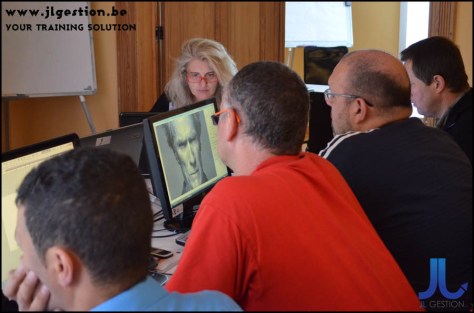
Deploying Windows Server 2008
Training Deploying Windows Server 2008

Onze voordelen :

  • Type of training: Inter-company, intra-company and individual
  • 100% flexible & personalised training : You choose the place, the dates and the training program
  • Offer request : Response within 24 hours
  • 50% discount for SME’s from Brussels-Capital Region
  • Free parking, lunch & drinks
  • Free use of our Digital Competence Centre: Manuals, courses, exercises, …
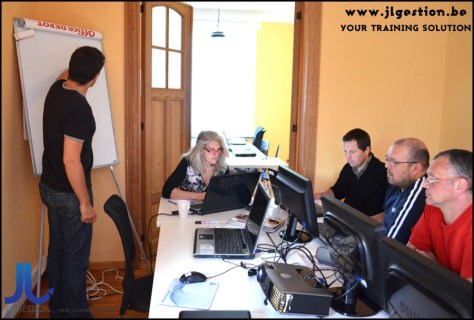
Training Updating your Network Infrastructure and Active Directory Technology Skills to Windows Server 2008 – 5 days

Class overview :

This instructor-led course provides students with the knowledge and skills to work with Network Infrastructure and Active Directory technologies in Windows Server 2008. This course is intended for individuals who already have experience with Network Infrastructure and Active Directory technologies in Windows Server 2000 or Windows Server 2003 to upgrade their skills to Windows Server 2008.

Class goals :

On completion of this training course, delegates should be able to:

  • Install and configure Windows Server 2008
  • Add and configure Windows Server Core roles
  • Explain the new backup infrastructure, including Volume Shadow Copy Service
  • Identify new and improved networking features with Windows Server 2008
  • Configure Hyper-V virtual machines
  • Identify considerations when upgrading from a Windows Server 2003 to a Windows Server 2008 Active Directory infrastructure
  • Install and configure Active Directory Federation Services, Active Directory Lightweight Directory Services, and Active Directory Rights Management Services
  • Use Read-Only Domain Controllers
  • Identify new features in AD DS auditing
  • Implement AD DS auditing
  • Configure Windows Server 2008 Failover Clustering
  • Configure Windows Server 2008 Network Load Balancing

Content of Updating your Network Infrastructure and Active Directory Technology Skills to Windows Server 2008

Installing and Configuring Windows Server 2008

  • Server Manager Roles
  • Windows Server 2008 Features
  • Active Directory Improvements

Configuring Windows Server 2008

  • Introducing Windows Deployment Services
  • WDS Components

Windows Deployment Services

  • Server Core Introduction
  • Configuring and Managing Server Core

Windows Backup

  • Backup Infrastructure
  • Optical Media
  • Restore Utilities

Windows Server 2008 Updates to Networking

  • Networking with Windows Server 2008
  • New Networking Features
  • DNS with Windows Server 2008
  • Configuring Routing
  • Configuring Wireless Settings in Server 2008

Network Policies and Access Protection

  • Network Policies Access Protection
  • Enforcement Options
  • Network Access Protection Scenarios
  • Routing and Remote Access

Active Directory Domain Services

  • What’s New in AD DS
  • Manageability and Reliability

Hyper-V

  • Introducing Hyper-V
  • Configuring Hyper-V

Planning for Windows Server 2008 Active Directory Services

  • Planning for AD DS Deployment
  • Upgrade Considerations

Identity and Access Services in Windows Server 2008 Active Directory

  • Active Directory Federation Services
  • Active Directory Lightweight Directory Services
  • Active Directory Rights Management Services

Read-Only Domain Controllers

  • Read-Only Domain Controllers
  • Read-Only Domain Controller Operation

Auditing Active Directory Domain Services Changes

  • What’s New in AD DS Auditing
  • Implementing AD DS Change Auditing

High Availability Features

  • Failover Clustering
  • Network Load Balancing

Performance Monitoring and Optimization

  • Windows Reliability and Performance Monitor
  • Microsoft Windows System Resource Manager
  • Monitoring Events

Software Maintenance Using Windows Server Update Services

  • Introduction to Windows Server Update Services
  • Installing and Configuring Windows Server Update Services
  • Managing Windows Server Update Services
Updating your Network Infrastructure and Active Directory Technology Skills to Windows Server 2008
Training Updating your Network Infrastructure and Active Directory Technology Skills to Windows Server 2008

Onze voordelen :

  • Type of training: Inter-company, intra-company and individual
  • 100% flexible & personalised training : You choose the place, the dates and the training program
  • Offer request : Response within 24 hours
  • 50% discount for SME’s from Brussels-Capital Region
  • Free parking, lunch & drinks
  • Free use of our Digital Competence Centre: Manuals, courses, exercises, …

Training Updating your Application Platform Technology Skills to Windows Server 2008 – 3 days

Class overview :

This 3 day instructor-led course provides students with an understanding of Active Directory technology in Windows Server 2008 (code name ‘Longhorn’). This course is intended to allow individuals who already have experience with Applications Platform technologies to upgrade their skills for Windows Server 2008.

Class goals :

On completion of this training course, delegates should be able to:

  • Configure and use Windows Server as an application server with new Server Roles
  • Use new features in IIS 7.0 Application Server, including the new modular configuration system
  • Manage Web Applications with IIS 7.0
  • Troubleshoot IIS 7.0-based Web servers with automatic failed request tracing and other included features and tools
  • Plan for Windows SharePoint Services 3.0 implementation in a variety of network environments
  • Configure and manage Windows SharePoint Services 3.0 from initial setup through troubleshooting and day-to-day operation
  • Use new features in Terminal Services and describe Terminal Services Licensing
  • Use and manage Terminal Services remote programs and gateways, including troubleshooting and performance optimization

Content of Updating your Application Platform Technology Skills to Windows Server 2008

Server Roles and Initial Configuration Tasks

This module introduces Application Server Roles, describing Application Server features in Windows Server and demonstrating initial configuration and Unix interoperability.

Overview of IIS 7.0 Application Server

This module introduces IIS 7.0 modular architecture, in which more than 40 features can be independently installed. It also demonstrates new scripting interface features and distributed configuration files.

Managing Web Applications with IIS 7.0

This module covers several aspects of server management in IIS 7.0. IIS can be configured using the IIS Manager graphical user interface or using several configuration files. It also explores the appcmd.exe command line utility as it is used for server administration.

Troubleshooting Web Servers

This module describes and demonstrates IIS 7.0 features for troubleshooting, including Runtime Control and Status API, Automatic Failed Request Tracing, and Trace Events.

Introduction to the Windows SharePoint Services 3.0 Platform

This module describes and demonstrates Windows SharePoint Service 3.0, including planning for implementation and performing a new installation.

Configuring and Managing Windows SharePoint Services 3.0

This module describes and demonstrates how to configure and manage Windows SharePoint Services 3.0, including creating and configuring sites and managing sites and servers.

Configuring Terminal Services

Terminal Services has been updated with Windows Server 2008, including changes to Terminal Services core. This module covers the new Terminal Services core functionality as well as Terminal Services Web Access and Terminal Services Licensing.

Managing Terminal Services

With Windows Server 2008 Remote Programs are accessed remotely through Terminal Services. Terminal Services Gateway can be used to help secure access to Remote Programs. This module describes and demonstrates using Terminal Services management consoles and Event Viewer as well as using Terminal Services with Windows System Resource Manager to optimize performance.

Updating your Application Platform Technology Skills to Windows Server 2008
Training Updating your Application Platform Technology Skills to Windows Server 2008

Onze voordelen :

  • Type of training: Inter-company, intra-company and individual
  • 100% flexible & personalised training : You choose the place, the dates and the training program
  • Offer request : Response within 24 hours
  • 50% discount for SME’s from Brussels-Capital Region
  • Free parking, lunch & drinks
  • Free use of our Digital Competence Centre: Manuals, courses, exercises, …
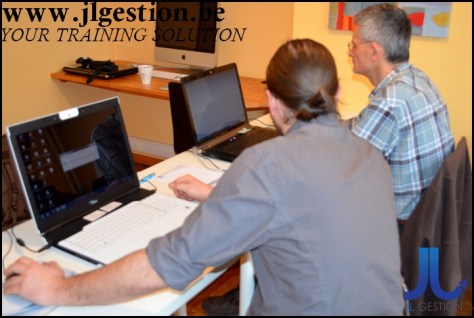
Training Updating Your Windows Server 2008 Technology Specialist Skills to R2 – 3 days

Class overview :

This three-day instructor-led course teaches IT Professionals experienced with Windows Server 2008 Technology Specialist skills the new features of Windows Server 2008 R2. The course facilitates accelerated learning of Windows Server 2008 R2 features and features enabled in Windows Server 2008 R2 for Windows 7.

Class goals :

On completion of this training course, delegates will be able to:

  • Deploy and manage Windows Server 2008 R2.
  • Configure Active Directory in Windows Server 2008 R2.
  • Configure server virtualization by using Hyper-V.
  • Configure Remote Desktop Services and Virtual Desktop Infrastructure in Windows Server 2008 R2.
  • Deploy and configure Remote Access Services.
  • Configure Windows Server 2008 R2 features for branch offices.
  • Configure and manage Windows Server 2008 R2 Web services.
  • Manage Windows Server 2008 R2 with Windows PowerShell 2.0.

Content of Updating Your Windows Server 2008 Technology Specialist Skills to R2

Deploying and Managing Windows Server 2008 R2

  • Installing Windows Server 2008 R2
  • Configuring Windows Deployment Services
  • Migrating Server Roles, Features, and Settings to Windows Server 2008 R2
  • Managing Windows Server 2008 R2
  • Lab : Deploying Windows Server 2008 R2 (Configuring and Testing Virtual Hard Disk with Native Boot; Configuring New Features in Windows Deployment Services; Migrating Server Roles)
  • Lab : Managing Windows Server 2008 R2 (Using Server Manager for Remote Administration; Removing Anonymous Access to Confidential Files Automatically; Dealing with Stale Data; Using Features in Windows Server Backup)

Configuring Active Directory in Windows Server 2008 R2

  • Configuring Active Directory Domain Services Features
  • Configuring Group Policy in Active Directory Domain Services
  • Features of Other Active Directory Server Roles
  • Lab : Configuring Active Directory Domain Services Features (Installing and Configuring the Active Directory Administration Center; Configuring and Testing the Active Directory Recycle Bin; Configuring Offline Domain Join)
  • Lab : Configuring Group Policy in Active Directory Domain Services (Using Starter GPO; Using Group Policy Preferences; Implementing Application Control Policies)

Configuring Server Virtualization by Using Hyper-V

  • Configuring the Features of Windows Server 2008 R2 Hyper-V
  • Configuring Live Migration in Hyper-V
  • System Center Virtual Machine Manager R2
  • Lab : Configuring Server Virtualization by Using Hyper-V (Installing and Configuring Failover Clustering; Configuring Cluster Shared Volumes; Setting Up a Virtual Machine for Live Migration)

Configuring Remote Desktop Services and Virtual Desktop Infrastructure in Windows Server 2008 R2

  • Configuring Remote Desktop Services
  • Configuring Remote Desktop Gateway
  • Configuring Virtual Desktop Infrastructure
  • Lab : Configuring Remote Desktop Services and Virtual Desktop Infrastructure in Windows Server 2008 R2 (Publishing Applications Using RemoteApp and Remote Desktop Connection Broker; Publishing Applications for External Users Using Remote Desktop Gateway; Configuring Virtual Desktop Pool)

Deploying and Configuring Remote Access Services

  • Overview of DirectAccess
  • Deploying DirectAccess
  • Configuring VPN Reconnect
  • Lab : Deploying and Configuring Remote Access Services (Reviewing Existing Infrastructure Configuration; Completing Configuration of Infrastructure Services for DirectAccess; Completing Configuration of the DirectAccess Server and Verify ISATAP-based connectivity; Implementing VPN Reconnect)

Configuring Windows Server 2008 R2 Features for Branch Offices

  • Features for Optimizing Branch Office Network Access
  • Configuring BranchCache
  • Configuring Branch Office Security Features
  • Lab : Configuring Windows Server 2008 R2 Features for Branch Offices (Configuring BranchCache in Distributed Cache Mode; Configuring BranchCache in Hosted Cache Mode; Configuring Read Only DFS Replica

Configuring and Managing Windows Server 2008 R2 Web Services

  • Configuring and Managing IIS
  • Configuring FTP
  • Lab : Configuring and Managing Windows Server 2008 R2 Web Services (Creating and Configuring a Web Site on Windows Server 2008 R2; Managing ASP.NET on Server Core; Configuring FTP Virtual Host Names and Deploying FTP over SSL)

Managing Windows Server 2008 R2 with Windows PowerShell 2.0

  • Using Windows PowerShell
  • Managing AD DS with Windows PowerShell
  • Managing Server Roles with Windows PowerShell
  • Lab : Managing Windows Server 2008 R2 with Windows PowerShell 2.0 (Using Windows PowerShell; Working with Active Directory by Using the Active Directory PowerShell Module; Managing IIS by Using Windows PowerShell; Configuring Server Manager Server Roles and Features by Using Windows PowerShell)
Updating Your Windows Server 2008 Technology Specialist Skills to R2
Training Updating Your Windows Server 2008 Technology Specialist Skills to R2

Onze voordelen :

  • Type of training: Inter-company, intra-company and individual
  • 100% flexible & personalised training : You choose the place, the dates and the training program
  • Offer request : Response within 24 hours
  • 50% discount for SME’s from Brussels-Capital Region
  • Free parking, lunch & drinks
  • Free use of our Digital Competence Centre: Manuals, courses, exercises, …
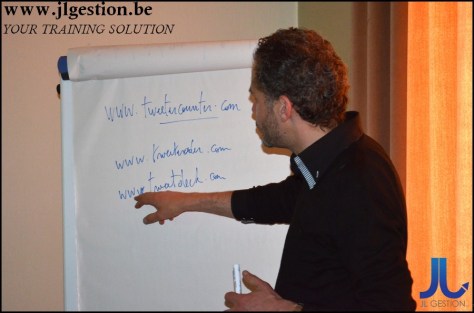
Training VMware vSphere: Skills for storage administrators – 2 days

Class overview :

This course enables storage administrators to better plan and manage their storage systems to support a VMware vSphere™ environment. The course uses lecture, hands-on labs, and case studies to demonstrate vSphere interaction and operation with storage rather than to teach vSphere administration skills.

Class goals :

By the end of the course, you should understand storage functionality in vSphere and be able to:

  • Explain basic concepts related to virtual computing, including vSphere server and storage virtualization
  • Be a cooperative partner with vSphere administrators to design, configure, manage, and troubleshoot storage in a vSphere environment
  • Describe the trade-offs between storage design decisions
  • Plan a storage architecture that scales to the demands of a virtualized environment
  • Use the VMware vSphere Client, esxtop, resxtop, and vscsiStats to monitor storage configuration end to end from a virtual machine disk to a specific VMware® vStorage VMFS datastore

Content of VMware vSphere: Skills for Storage Administrators

Introduction to VMware Virtualization

  • Hypervisors (the VMkernel) and virtual machines
  • Benefits of server virtualization
  • Shared storage and the VMware features that depend on it
  • Supported storage configurations
  • Storage maximums
  • Introduce VMware storage virtualization stack
  • Course objectives

VMware Storage Virtualization

  • Describe and create a VMFS datastore
  • Using extents and Volume Grow to enlarge a VMFS volume
  • Introduce strategies for avoiding SCSI reservation conflicts
  • Describe the importance of VMFS alignment
  • Describe trade-offs between VMFS and RDM
  • Options for creating virtual machine disks and the trade-offs of each option
  • VMware vStorage Thin Provisioning and its effect on storage
  • Explore the effects of using Thin Provisioning with storage array thin provisioning

VMware Storage Virtualization

  • Describe and create a VMFS datastore
  • Using extents and Volume Grow to enlarge a VMFS volume
  • Introduce strategies for avoiding SCSI reservation conflicts
  • Describe the importance of VMFS alignment
  • Describe trade-offs between VMFS and RDM
  • Options for creating virtual machine disks and the trade-offs of each option
  • VMware vStorage Thin Provisioning and its effect on storage
  • Explore the effects of using Thin Provisioning with storage array thin provisioning

Storage Performance and Troubleshooting

  • Storage configuration and its effect on performance
  • vSphere utilities to monitor storage latency, capacity, and consumption
  • Troubleshooting storage performance problems

SAN Design Considerations

  • Storage device names in vSphere
  • Importance of configuring consistent host LUN ID numbering
  • Calculating I/O operations per second (IOPS) and megabytes per second (MBps) to properly configure LUNs
  • Using esxtop or resxtop to determine IOPS and MBps
  • Discuss storage network topologies, zoning, and access control in Fibre Channel, iSCSI, and NAS
  • Strategies for virtual disk placement
  • Interswitch linking and trunking considerations
  • Using esxcli to mask LUNs
  • Implementing flow control and jumbo frames in IP storage configurations
  • Configuring VMware vStorage adaptive queueing
  • Manual configuration of storage queues
  • Discuss VMware ESX™/ESXi boot from SAN

Multipathing Configuration and Management

  • Fibre Channel, iSCSI, and NAS multipathing
  • Managing multipathing algorithms available in vSphere
  • Integrating virtual port and target port group support, and asymmetric logical unit access arrays into a vSphere environment
  • Configuring active-active and active-passive arrays with vSphere

VMware vStorage VMFS and Virtual Machine Snapshots

  • LUN replication in a vSphere environment
  • Identifying a snapshot LUN in vSphere
  • Controlling how the VMkernel handles replicated LUNs
  • Using replicated LUNs for backup and disaster recovery
  • Introduce VMware APIs for Data Protection
  • Describe the impact of virtual machine snapshot use on storage architecture

VMware vStorage APIs for Array Integration

  • Describe hardware-accelerated locking
  • Describe hardware-accelerated zeroing
  • Describe hardware-accelerated copy
  • Enable and disable hardware acceleration
  • Introduce new performance metrics added to esxtop and resxtop
VMware VSphere
Training VMware VSphere

Onze voordelen :

  • Type of training: Inter-company, intra-company and individual
  • 100% flexible & personalised training : You choose the place, the dates and the training program
  • Offer request : Response within 24 hours
  • 50% discount for SME’s from Brussels-Capital Region
  • Free parking, lunch & drinks
  • Free use of our Digital Competence Centre: Manuals, courses, exercises, …
Training VMware vSphere 4: Manage and design for security – 3 days

Class overview :

This course shows you how to follow best practices for secure design, deployment, and operation of a VMware vSphere environment. Through lecture, discussion, and hands-on practice, you will gain the knowledge and skills necessary to meet the security and compliance goals of your organization.

Class goals :

After completing this course, you should be able to:

  • Identify vulnerabilities in the current design of a vSphere environment and recommend corrective actions
  • Harden vSphere components as described in vSphere Hardening Guide
  • Recommend configuration and change management policies, processes, and systems

Content of VMware vSphere 4: Manage and Design for Security

Course Introduction

  • Introductions and course logistics
  • Online resources for security and compliance

Security in a Virtual Environment

  • Review of information security and risk management concepts
  • How virtualization affects security and compliance
  • Top vulnerabilities in a virtual environment
  • Basic guidelines for securing a virtual environment
  • Security tools and technologies

Secure Virtual Networking

  • vNetwork security architecture
  • Network segmentation and traffic isolation
  • Secure virtual network configuration
  • Traffic isolation with private VLANs

Protecting the Management Environment

  • vCenter Server authentication, authorization, and accounting
  • Working with SSL certificates
  • Hardening the vCenter Server system

Protecting VMware ESX/ESXi Host Systems

  • ESX and ESXi security architecture
  • Controlling access to storage
  • Hardening ESX and ESXi hosts

Hardening Virtual Machines

  • Virtual machine security architecture
  • Configuring security parameters

Configuration and Change Management

  • Configuration and change management goals and guidelines
  • Maintaining the proper configuration of vSphere components
  • Monitoring logs for security-related events
  • Configuration and change management tools and technologies
VMware VSphere 4
Training VMware VSphere 4

Onze voordelen :

  • Type of training: Inter-company, intra-company and individual
  • 100% flexible & personalised training : You choose the place, the dates and the training program
  • Offer request : Response within 24 hours
  • 50% discount for SME’s from Brussels-Capital Region
  • Free parking, lunch & drinks
  • Free use of our Digital Competence Centre: Manuals, courses, exercises, …
Training VMware Site Recovery Manager – 2 days

Class overview :

This hands-on training course is aimed at experienced VMware Infrastructure 3 administrators. The course covers installation, configuration, and operation of VMware Site Recovery Manager (SRM) and testing of disaster recovery plans with SRM.

Class goals :

At the end of the course, you should be able to:

  • Create a disaster recovery workflow for your virtual machines using SRM
  • Install SRM components
  • Configure SRM storage replication adapters
  • Configure SRM protected and recovery sites
  • Configure SRM array managers
  • Define SRM inventory mappings
  • Create SRM recovery plans
  • Test SRM recovery plans
  • Execute SRM recovery plans (failover)

Content of VMware Site Recovery Manager

SRM Overview

Introduction to Disaster Recovery

SRM Planning

SRM Installation

Array Managers

Inventory Mappings

Protection Groups

Recovery Plans

Troubleshooting

Failover Testing and Failover

Failback

VMware Site Recovery Manager
Training VMware Site Recovery Manager

Onze voordelen :

  • Type of training: Inter-company, intra-company and individual
  • 100% flexible & personalised training : You choose the place, the dates and the training program
  • Offer request : Response within 24 hours
  • 50% discount for SME’s from Brussels-Capital Region
  • Free parking, lunch & drinks
  • Free use of our Digital Competence Centre: Manuals, courses, exercises, …
Training VMware View: Design best practices – 1 day

Class overview :

This hands-on training course explores the foundations of designing VMware® View™ architectures.

Class goals :

At the end of the course, you should understand the principles involved in designing a View architecture:

  • The recommended design process
  • The layered architecture design model and the reference framework for a View design
  • Design considerations to meet business needs
  • VMware’s best practices for a View deployment

Content of VMware View: Design Best Practices

Course Introduction

Design Methodology

  • Design process
  • Elements of a View deployment design
  • Multilayered reference architecture

Design Considerations

  • Designing for client access devices
  • Designing the access infrastructure
  • Designing the virtual infrastructure
  • Designing virtual desktops
  • End-user session management
VMware View
Training VMware View

Onze voordelen :

  • Type of training: Inter-company, intra-company and individual
  • 100% flexible & personalised training : You choose the place, the dates and the training program
  • Offer request : Response within 24 hours
  • 50% discount for SME’s from Brussels-Capital Region
  • Free parking, lunch & drinks
  • Free use of our Digital Competence Centre: Manuals, courses, exercises, …
Training VMware View 5: Install, configure, manage – 4 days

Class overview :

This hands-on training course builds your skills in the VMware View™ suite of products: VMware® View Manager, View Composer, and VMware ThinApp™. This course is based on the View 5.0 and ThinApp 4.6 releases.

Class goals :

At the end of the course, you should understand the features and operation of View and be able to do the following:

  • Install and configure View components
  • Create and manage dedicated and floating desktop pools
  • Deploy and manage linked-clone virtual desktops
  • Configure user profiles with View Persona Management
  • Configure and manage desktops that run in local mode
  • Configure secure access to desktops through a public network
  • Use ThinApp to package applications

Content of VMware View 5: Install, Configure, Manage

Course Introduction

  • Introductions and course logistics
  • Course objectives

Introduction to VMware View

  • View features and components

View Connection Server

  • Installation and configuration

View Desktops

  • View Agent
  • PCoIP and RDP remote display protocols
  • USB redirection and multimedia redirection

View Client Options

  • View Client
  • View Client with Local Mode
  • Thin clients
  • Virtual Printing with View Clients

View Administrator

  • Configuring the View environment
  • Managing users, sessions, and policies
  • Configuring and provisioning automated pools of desktops
  • Role-based delegated administration
  • Managing ThinApp applications within View
  • Monitoring the View environment

Configuring and Managing Linked Clones

  • View Composer operations
  • Deploying and provisioning linked-clone desktops
  • Managing linked-clone desktops
  • Managing persistent disks

View Persona Management

  • Configuring user profiles with View Persona Management
  • Persona Management and Windows Roaming Profiles
  • Configuring a Persona Management deployment
  • Best practices for a Persona Management deployment

Local-Mode Desktops

  • Configuring local-mode desktops
  • View Transfer Server and Transfer Server repository
  • Local-mode operations

Managing View Security

  • Configuring the View security server
  • Network configuration and authentication options

View Connection Server Performance and Scalability

VMware View 5
Training VMware View 5

Onze voordelen :

  • Type of training: Inter-company, intra-company and individual
  • 100% flexible & personalised training : You choose the place, the dates and the training program
  • Offer request : Response within 24 hours
  • 50% discount for SME’s from Brussels-Capital Region
  • Free parking, lunch & drinks
  • Free use of our Digital Competence Centre: Manuals, courses, exercises, …
Training VMware View 4.5: Install, configure, manage – 4 days

Class overview :

This hands-on training course builds your skills in the VMware View suite of products: VMware View Manager, VMware View Composer, and VMware ThinApp. This course is based on the View 4.5 and ThinApp 4.6 releases.

Class goals :

At the end of the course, you should understand the features and operation of VMware View and be able to:

  • Install and configure the VMware View components
  • Create and manage dedicated and floating desktop pools
  • Deploy and manage linked-clone virtual desktops
  • Configure and manage desktops that run in local mode
  • Configure secure access to desktops through a public network
  • Use ThinApp to package applications

Content of VMware View 4.5: Install, Configure, Manage

Course Introduction

Introduction to VMware View

  • View features and components

View Connection Server

  • Installation and configuration

View Desktops

  • View Agent
  • PCoIP and other remote display protocols
  • USB redirection and multimedia redirection

View Client Options

  • View Client
  • View Client with Local Mode
  • Thin clients
  • Virtual Printing

View Administrator

  • Configuring automated pools of dedicated and floating desktops
  • Role-based delegated administration
  • Managing ThinApp applications with View Manager
  • Monitoring the View deployment

Configuring and Managing Linked Clones

  • View Composer
  • Deploying and provisioning linked-clone desktops
  • Managing linked-clone desktops
  • Managing persistent disks

Local-Mode Desktops

  • Local-mode desktops
  • View Transfer Server and Transfer Server repository
  • Local-mode operations

Command-Line Tools and Backup Options

  • vdmadmin utility
  • Clients in kiosk mode
  • Backing up the View databases
  • Restoring the View databases

Managing View Security

  • View security server
  • Network configuration and authentication options

View Manager Performance and Scalability

  • Replica connection servers
  • Performance considerations and load balancing

VMware ThinApp

  • Using ThinApp to capture applications
  • Deploying and updating ThinApp packages
  • Virtualizing Internet Explorer 6 for use on a Windows 7 system
VMware View 4.5
Training VMware View 4.5

Onze voordelen :

  • Type of training: Inter-company, intra-company and individual
  • 100% flexible & personalised training : You choose the place, the dates and the training program
  • Offer request : Response within 24 hours
  • 50% discount for SME’s from Brussels-Capital Region
  • Free parking, lunch & drinks
  • Free use of our Digital Competence Centre: Manuals, courses, exercises, …