This hands-on training course explores configuration and management of VMware vSphere™ virtual machines. Upon completion of this course, you should have the skills necessary to work effectively with VMware® virtual machines. The course is based on VMware ESX™ 4.0 and VMware vCenter™ Server 4.0.
Class goals :
At the end of the course, you should be able to:
Create, deploy, and manage virtual machines
Use vCenter Server to monitor virtual machine resource usage
Use VMware vCenter Update Manager to apply patches to virtual machines
Use VMware vMotion™ and Storage vMotion to migrate virtual machines
Troubleshoot problems with virtual machine configuration
Content of VMware vSphere 4: Skills for Operators
Module 1: Course Introduction
Module 2: Introduction to VMware Virtualization
Discussion of virtualization and vSphere components
Module 3: Virtual Machine Creation and Management
Create a virtual machine
Install a guest operating system in a virtual machine
Install VMware Tools into a Windows guest operating system
Enable time synchronization between a virtual machine and the host
Create a template
Create a template and deploy a virtual machine from it
Clone a virtual machine that is powered on
Take snapshots of a virtual machine and revert to a snapshot
Modify a virtual machine’s disk, memory, and name
Manipulate virtual machines in the vCenter Server inventory
Delete a virtual machine from disk
Add a raw LUN to an existing virtual machine
Module 4: Virtual Machine Resource Monitoring
Use vCenter Server to monitor CPU utilization
Module 5: Using Update Manager to Update Virtual Machines
List all patches installed on both your virtual machine and template
Create a patch baseline
Scan for updates
Remediate the virtual machine and template
Module 6: Migrating Virtual Machines
Verify that your virtual machines’ settings meet vMotion requirements
Verify that your ESX host meets vMotion requirements
Perform a vMotion migration a virtual machine
Perform a Storage vMotion migration a virtual machine
Module 7: Troubleshooting Virtual Machines
Identify and correct common configuration issues with virtual machines
Training VMware VSphere 4
Onze voordelen :
Type of training: Inter-company, intra-company and individual
100% flexible & personalised training : You choose the place, the dates and the training program
Offer request : Response within 24 hours
50% discount for SME’s from Brussels-Capital Region
Free parking, lunch & drinks
Free use of our Digital Competence Centre: Manuals, courses, exercises, …
This hands-on training course explores the management of performance in a VMware® vSphere™ environment. It provides the knowledge and skills necessary to make fundamental design decisions that enhance performance and to meet performance goals in an already-deployed vSphere installation.
Class goals :
At the end of the course, you will be able to:
Explain the performance impact of using different monitor modes
Use vSphere tools to monitor the performance of ESX/ESXi hosts
Troubleshoot performance problems relating to CPU, memory, network, and storage on an ESX/ESXi host
Discuss how to achieve an optimal virtual machine configuration
Discuss guidelines for monitoring application performance
Content of VMware vSphere 4: Manage for Performance
Course Introduction
Performance in a Virtualized Environment
Discuss the vSphere performance troubleshooting methodology
Monitor performance using vCenter Server performance graphs and the ESX/ESXi resxtop command
Virtual Machine Monitor
Discuss software and hardware virtualization techniques and their impact on performance
CPU Performance
Discuss the CPU scheduler, NUMA, and CPU cache contention
Monitor key CPU performance metrics
Troubleshoot common CPU performance problems
Memory Performance
Discuss memory reclamation techniques and memory overcommitment
Monitor key memory performance metrics
Troubleshoot common memory performance problems
Network Performance
Discuss the performance features of modern network adapters
Monitor key network performance metrics
Troubleshoot common network performance problems
Storage Performance
Discuss how storage protocols, VMFS configuration, load balancing, and queuing affect performance
Monitor key storage performance metrics
Troubleshoot common storage performance problems
Virtual Machine Performance
Discuss guidelines for configuring a virtual machine for optimal performance
Application Performance
Discuss what applications can be virtualized
Discuss how VMware vCenter AppCenter manages application performance
Training VMware VSphere 4
Onze voordelen :
Type of training: Inter-company, intra-company and individual
100% flexible & personalised training : You choose the place, the dates and the training program
Offer request : Response within 24 hours
50% discount for SME’s from Brussels-Capital Region
Free parking, lunch & drinks
Free use of our Digital Competence Centre: Manuals, courses, exercises, …
This lab-intensive course focuses on providing system administrators with the advanced knowledge, skills, and abilities to achieve competence in troubleshooting the VMware vSphere™ virtual infrastructure. In this course, you will spend most of the time diagnosing and rectifying configuration problems created on VMware® ESX™/ESXi hosts and VMware vCenter™ Server systems.
Class goals :
At the end of the course, delegates will able to:
Use the VMware vSphere Client and service console commands to configure or diagnose and rectify problems on ESX
Use the vSphere Client and the VMware vSphere Management Assistant (vMA) appliance to configure or diagnose and rectify problems on ESX and ESXi hosts
Use ESXi technical support mode to diagnose and rectify problems on ESXi
Create and use a network sniffer to capture and display virtual switch network traffic
Use the vSphere Client and command-line tools to troubleshoot VMware VMotion™, VMware Storage VMotion, VMware High Availability, VMware Distributed Resource Scheduler, and virtual machine power-on problems
Content of VMware vSphere 4: Troubleshooting
Course Introduction
ESXi Command-Line Troubleshooting Methods
Install and use the vMA
Learn common vSphere Command-Line Interface commands and syntax
Configure ESXi technical support mode and SSH access
ESX, ESXi, and vCenter Server Log Files
View ESX, ESXi, and vCenter Server log files
Configure a centralized ESX/ESXi log host
Network Troubleshooting
Identify and configure vNetwork components
Configure and use a network traffic sniffer
Management Troubleshooting
Troubleshoot vSphere management components
Storage Troubleshooting
View, configure, and diagnose storageaccess problems
Configure iSCSI authentication and digests
VMotion Troubleshooting
Troubleshoot VMotion and Storage VMotion errors
VMware HA Cluster Troubleshooting
Troubleshoot errors with slot calculations, admission control, and host monitoring
DRS Cluster Troubleshooting
Troubleshoot errors with shares, pools, and limits
Virtual Machine Troubleshooting
Review power-on requirements
Troubleshoot virtual machine power-on failures
Graduation Lab
Complete a final multi-hour, multi-problem troubleshooting exercise
Training WMware VSphere 4
Onze voordelen :
Type of training: Inter-company, intra-company and individual
100% flexible & personalised training : You choose the place, the dates and the training program
Offer request : Response within 24 hours
50% discount for SME’s from Brussels-Capital Region
Free parking, lunch & drinks
Free use of our Digital Competence Centre: Manuals, courses, exercises, …
This hands-on training course equips system administrators with the knowledge, skills, and abilities to achieve competence in building and running a highly available VMware® vSphere™ 4 virtual infrastructure.
Class goals :
At the end of the course, you should be able to understand the functionality in vSphere and be able to:
List the components of business continuity
Describe Microsoft Windows 2003 and 2008 cluster configurations
Configure a VMware High Availability (HA) cluster using nondefault options
Deploy fault-tolerant virtual machines using VMware Fault Tolerance (FT)
Deploy VMware vCenter™ Server Heartbeat
Content of VMware vSphere 4: Manage Availability
Course Introduction
Business Continuity
Overview of vSphere features for high availability, fault tolerance, data protection, and disaster recovery
Virtual Machine Clustering
vSphere general requirements for Microsoft failover clusters
Overview of the supported Microsoft failover cluster configurations
VMware High Availability Clusters
VMware HA advanced parameters affecting slot size
Deploying different admission control policies
Configuring redundant heartbeat networks and isolation test addresses
VMware Fault Tolerance
Overview of FT prerequisites and FT operation
FT best practices
Configuring, monitoring, and testing a fault-tolerant virtual machine
VMware vCenter Server Heartbeat
Overview of vCenter Server Heartbeat operation
Installing and configuring vCenter Server Heartbeat
Failover and switchover with vCenter Server Heartbeat
Monitoring vCenter Server Heartbeat
Training VMware VSphere 4
Onze voordelen :
Type of training: Inter-company, intra-company and individual
100% flexible & personalised training : You choose the place, the dates and the training program
Offer request : Response within 24 hours
50% discount for SME’s from Brussels-Capital Region
Free parking, lunch & drinks
Free use of our Digital Competence Centre: Manuals, courses, exercises, …
This fast-paced, extended-hour, lab-intensive course includes the content of the VMware vSphere: Manage for Performance and VMware vSphere: Troubleshooting courses.
This course provides the knowledge and skills necessary to make fundamental design decisions that enhance performance and meet performance goals in a deployed VMware vSphere installation.
Class goals :
At the end of the course, you will be able to do the following:
Use vSphere tools to monitor the performance of VMware ESX/ESXi hosts
Diagnose performance problems relating to CPU, memory, network, and storage on an ESX/ESXi host
Apply guidelines for monitoring application performance
Use the VMware vSphere Client and command-line utilities to diagnose and rectify ESX/ESXi, VMware vMotion, VMware Storage vMotion, VMware High Availability, VMware Distributed Resource Scheduler, and virtual machine power-on problems
Use ESXi technical support mode to diagnose and rectify problems on ESXi
Create and use a network packet capture utility to capture and display virtual switch network traffic
Content of VMware vSphere 4 : Advanced Fast Track
Course Introduction
Introductions and course logistics
Course objectives
Performance in a Virtualized Environment
Discuss the vSphere performance troubleshooting methodology
Discuss software and hardware virtualization techniques and their impact on performance
Monitor performance using vCenter Server performance charts and the ESX/ESXi resxtop command
CPU Performance
Discuss the CPU scheduler and other features that have an impact on CPU performance
Monitor key CPU performance metrics
Troubleshoot common CPU performance problems
Memory Performance
Discuss memory reclamation techniques and memory overcommitment
Monitor key memory performance metrics
Troubleshoot common memory performance problems
Guidelines for DRS and Resource Controls
Discuss performance guidelines for DRS clusters, resource pools, and resource allocation settings
Network Performance
Discuss the performance features of modern network adapters
Monitor key network performance metrics
Troubleshoot common network performance problems
Storage Performance
Discuss how storage protocols, VMware vStorage VMFS configuration, load balancing, and queuing affect performance
Monitor key storage performance metrics
Troubleshoot common storage performance problems
Virtual Machine Performance
Discuss guidelines for configuring a virtual machine for optimal performance
Application Performance
Discuss tools and guidelines for application performance
Guidelines for DRS and Resource Controls
Discuss performance guidelines for DRS clusters, resource pools, and
Course Introduction
Introductions and course logistics
Course objectives
ESXi Command-Line Troubleshooting Methods
Install and use the VMware vSphere Management Assistant
Learn common vSphere command-line interface commands and syntax
Configure ESXi technical support mode and Secure Shell (SSH) access
ESX, ESXi, and vCenter Server Log Files
View ESX, ESXi, and vCenter Server log files
Configure a centralized ESX/ESXi log host
Network Troubleshooting
Identify and configure vNetwork components
Configure and use a network traffic packet capture utility
Management Troubleshooting
Troubleshoot vSphere management components
Storage Troubleshooting
View, configure, and diagnose storage-access problems
Configure iSCSI authentication and digests
vMotion Troubleshooting
Troubleshoot vMotion and Storage vMotion errors
VMware Infrastructure Troubleshooting
Troubleshoot DRS cluster errors with shares, pools, and limits
Troubleshoot VMware HA cluster errors with slot calculations, admission control, and host monitoring
Review virtual machine power-on requirements
Troubleshoot virtual machine power-on failures
Training VMware VSphere 4
Onze voordelen :
Type of training: Inter-company, intra-company and individual
100% flexible & personalised training : You choose the place, the dates and the training program
Offer request : Response within 24 hours
50% discount for SME’s from Brussels-Capital Region
Free parking, lunch & drinks
Free use of our Digital Competence Centre: Manuals, courses, exercises, …
This hands-on training course covers the requirements and effects of transitioning your VMware vSphere environment to VMware ESXi. It provides the knowledge and skills necessary to make fundamental design decisions and successfully add ESXi to a deployed vSphere environment. The course is based on ESXi 4.1.
Class goals :
At the end of the course, you will be able to:
Analyze ESXi and its benefits for your environment
Identify ESXi installation and configuration procedures
Use scripted installations for large-scale ESXi deployments
Employ scripting interfaces to manage ESXi
Content of VMware vSphere: Transition to ESXi
Module 1: Course Introduction
Module 2: Working with VMware ESXi
Identify differences between ESX and ESXi
Recognize tasks and procedures when moving to ESXi
Module 3: Installing and Configuring VMware ESXi
Analyze ESXi Installable and ESXi Embedded
Install and configure ESXi Installable and ESXi Embedded
Recognize the steps for upgrading to ESXi
Module 4: Performing Management Tasks
Identify hardware monitoring techniques
Discuss system management and backup methodology
Distinguish the log files
Recognize security methodologies
Employ file management practices
Perform basic troubleshooting with the direct console user interface
Module 5: Large-Scale Deployment of VMware ESXi
Identify scripted installation programs for ESXi (SDK and Weasel)
Analyze the commands to perform scripted installation
Discuss best practices for large-scale deployment
Module 6: Using Scripting Interfaces
Identify the scripting interfaces for ESXi
Discuss primary scripting interfaces
Install VMware vSphere Management Assistant
Identify differences between commands used with ESX and those used with ESXi
Recognize custom commands and how to substitute VMware vSphere Command-Line Interface commands or vSphere PowerCLI cmdlets for them
Training VMware VSphere 4
Onze voordelen :
Type of training: Inter-company, intra-company and individual
100% flexible & personalised training : You choose the place, the dates and the training program
Offer request : Response within 24 hours
50% discount for SME’s from Brussels-Capital Region
Free parking, lunch & drinks
Free use of our Digital Competence Centre: Manuals, courses, exercises, …
This fast-paced, extended-hour, lab-intensive course includes the content of the VMware vSphere 5: Install, configure and Manager and are vSphere: Automation with vSphere PowerCLI courses.
Class goals :
At the end of the course, you should be able to do the following:
Install and configure ESXi
Install and configure vCenter Server components
Configure and manage ESXi networking and storage using vCenter Server
Deploy, manage, and migrate virtual machines
Manage user access to the VMware infrastructure
Use vCenter Server to monitor resource usage
Use vCenter Server to increase scalability
Use VMware vCenter Update Manager to apply ESXi patches
Use vCenter Server to manage higher availability and data protection
Automate VMware ESX™ configuration
Automate provisioning virtual machines
Automate virtual machine configuration changes
Automate cluster operations
Automate reportings
Content of VMware vSphere 5: Automation Fast Track
VMware Virtualization
Virtualization, virtual machines, and vSphere components
Server, network, and storage virtualization concepts
Where vSphere fits into the cloud architecture
Install and use vSphere user interfaces
Virtual Machines
Virtual machines, virtual machine hardware, and virtual machine files
Deploy a single virtual machine and virtual machine appliance
VMware vCenter Server
vCenter Server and database requirements
vCenter Server architecture
Deploy a vCenter Server appliance
View and create vCenter Server inventory objects
Configure and Manage Virtual Networks
Create and manage a standard virtual switch
Modify standard virtual switch properties
Configure and Manage vSphere Storage
Configure ESXi with iSCSI, NFS, and Fibre Channel storage
Create and manage vSphere datastores
Configure, deploy, and manage the VMware Virtual Storage Appliance
Virtual Machine Management
Deploy virtual machines using templates, cloning, and VMware vCenter Converter™
Modify and manage virtual machines
Create and manage virtual machine snapshots
Perform VMware vMotion® and Storage vMotion migrations
Access and Authentication Control
Control user access through roles and permissions
Configure and manage the ESXi firewall
Integrate ESXi with Active Directory
vShield Zones
Resource Management and Monitoring
Control virtual machine access to CPU, memory, and I/O resources
VMkernel methods for optimizing CPU and memory usage
Monitor resource usage using vCenter Server performance graphs and alarms
Data Protection
Strategies for backing up ESXi hosts
Backup/recovery APIs
Strategies for backing up virtual machines
High Availability and Fault Tolerance
Configure and manage a VMware High Availability (HA) cluster
Configure fault-tolerant virtual machines using VMware Fault Tolerance
Scalability
Configure and manage a VMware Distributed Resource Scheduler (DRS) cluster
Configure Enhanced vMotion Compatibility
Using VMware HA and DRS together
Patch Management
Manage ESXi patching and patch compliance using vCenter Update Manager
Installing VMware vSphere 5 Components
ESXi Installable installation
vCenter Server installation
Additional vCenter Server module installation
Introduction to vSphere PowerCLI
Main vSphere PowerCLI Object
Main commandlets in vSphere PowerCLI
Connect to a vSphere infrastructure
Get help for commandlets
Automating ESX Host Configuration
Automate configuration of virtual switches on ESX hosts
Automate configuration of datastores on ESX hosts
Virtual Machine Provisioning, Configuration, and Protection
Automate creation of virtual machines
Change virtual machine settings programmatically
Run vSphere PowerCLI scripts in virtual machines
Automate virtual machine protection
Automating Cluster Operations
Automate virtual machine storage migration
Automate VMware vMotion™
Create a VMware Distributed Resource Scheduler/VMware High Availability cluster
Automate cluster configuration
Automate resource pool creation and configuration
Training VMware VSphere 5
Onze voordelen :
Type of training: Inter-company, intra-company and individual
100% flexible & personalised training : You choose the place, the dates and the training program
Offer request : Response within 24 hours
50% discount for SME’s from Brussels-Capital Region
Free parking, lunch & drinks
Free use of our Digital Competence Centre: Manuals, courses, exercises, …
This intensive, extended-hours training course focuses on installing, configuring, and managing VMware vSphere® 5. It combines the content of the VMware vSphere: Install, Configure, Manage course with advanced tasks and skills for configuring a highly available and scalable virtual infrastructure.
Class goals :
At the end of the course, you should be able to do the following:
Configure and manage ESXi networking and storage
Create, configure, migrate, manage, convert, and monitor virtual machines and virtual appliances
Manage user access to the virtual infrastructure
Use vCenter Server to monitor resource usage
Scale the vSphere virtual infrastructure
Implement business continuity solutions
Manage changes to the vSphere environment
Use a command-line interface to manage vSphere
Install and configure ESXi and vCenter Server
Use vSphere Auto Deploy to provision ESXi hosts
Content of VMware vSphere 5: Fast Track
Course Introduction
Introductions and course logistics
Course objectives
Introduction to VMware Virtualization
Introduce virtualization, virtual machines, and vSphere components
Explain the concepts of server, network, and storage virtualization
Describe where vSphere fits into the cloud architecture
Install and use vSphere user interfaces
Create Virtual Machines
Introduce virtual machines, virtual machine hardware, and virtual machine files
Deploy a single virtual machine
VMware vCenter Server
Introduce vCenter Server architecture
Manage vCenter Server inventory objects and licenses
Configuring and Managing Virtual Networks
Describe, create, and manage a standard virtual switch
Describe and modify standard virtual switch properties
This hands-on training course explores installation, configuration, and management of VMware vSphere®, which consists of VMware ESXi™, and VMware vCenter™ Server. The course is based on ESXi 5.0 and vCenter Server 5.0. Completion of this course satisfies the prerequisite for taking the VMware® Certified Professional 5 exam.
Class goals :
At the end of the course, you should gain an understanding of the functionality in VMware vSphere 5 and be able to:
Install and configure ESXi
Install and configure vCenter Server components
Configure and manage ESXi networking and storage using vCenter Server
Deploy, manage, and migrate virtual machines
Manage user access to the VMware infrastructure
Use vCenter Server to monitor resource usage
Use vCenter Server to increase scalability
Use VMware vCenter Update Manager to apply ESXi patches
Use vCenter Server to manage higher availability and data protection
Content of VMware vSphere 5: Install, Configure, Manage
Course Introduction
Introduction to VMware Virtualization
Introduce virtualization, the cloud, and vSphere components
Explain the concepts of server, network, and storage virtualization
Describe where vSphere fits into the cloud architecture
Install and use vSphere user interface
Virtual Machines
Introduce virtual machines, virtual machine hardware, and virtual machine files
Deploy a single virtual machine and virtual machine appliance
VMware vCenter Server
Identify vCenter Server and database requirements
Describe vCenter Server architecture
Deploy a vCenter Server appliance
View and create vCenter Server inventory objects
Configure and Manage Virtual Networks
Describe, create, and manage a standard virtual switch
Describe and modify standard virtual switch properties
Configure and Manage vSphere Storage
Configure ESXi with iSCSI, NFS, and Fibre Channel storage
Create and manage vSphere datastores
Configure, deploy, and manage the VMware Virtual Storage Appliance
Virtual Machines
Deploy virtual machines using the Create New Virtual Machine wizard, templates, cloning, and VMware vCenter Converter
Modify and manage virtual machines
Create and manage virtual machine snapshots
Perform VMware vMotion and Storage vMotion migrations
Access and Authentication Control
Control user access through roles and permissions
Configure and manage the ESXi firewall
Integrate ESXi with Active Directory
Introduce vShield Zones
Resource Management and Monitoring
Control virtual machine access to CPU, memory, and I/O resources
Introduce VMkernel methods for optimizing CPU and memory usage
Monitor resource usage using vCenter Server performance graphs and alarms
Data Protection
Discuss strategies for backing up ESXi hosts
Introduce the backup/recovery APIs
Discuss strategies for backing up virtual machines
High Availability and Fault Tolerance
Configure and manage a VMware High Availability cluster
Configure fault-tolerant virtual machines using VMware Fault Tolerance
Scalability
Configure and manage a VMware Distributed Resource Scheduler (DRS) cluster
Configuring Enhanced vMotion Compatibility
Using VMware HA and DRS together
Patch Management
Manage ESXi patching and patch compliance using vCenter Update Manager
Installing VMware vSphere 5 Components
Introduce ESXi Installable installation
Introduce vCenter Server installation
Additional vCenter Server module installation
Training VMware VSphere 5
Onze voordelen :
Type of training: Inter-company, intra-company and individual
100% flexible & personalised training : You choose the place, the dates and the training program
Offer request : Response within 24 hours
50% discount for SME’s from Brussels-Capital Region
Free parking, lunch & drinks
Free use of our Digital Competence Centre: Manuals, courses, exercises, …
This hands-on training course introduces the most compelling features of VMware vSphere® 5, which is the foundational component of the cloud infrastructure suite of software from VMware®. This course demonstrates vSphere features that help reduce your IT costs while improving efficiency, availability, scalability, flexibility, and manageability.
Class goals :
By the end of the course, you will be able to explain vSphere 5.0 storage, network, and virtualization concepts and have hands-on experience with the following:
Using the VMware vSphere® Client™ to deploy and manage virtual machines
Using VMware vSphere® vMotion® to migrate live virtual machines
Using vSphere Storage vMotion to migrate live virtual machine data
Configuring ESXi clusters to automatically balance virtual machine workloads
Hierarchically allocating CPU and memory resources to specific business functions
Using vCenter Server alarms and performance graphs to actively monitor the datacenter
Content of VMware vSphere 5: Overview
Course Introduction
Understand the course goals
Understand the course objectives
Become familiar with the course outline
Virtual Infrastructure Overview
Describe server virtualization concepts
Identify vSphere components, including vCenter Server, ESXi,and the vSphere Client
View and describe virtual network and storage components
Learn to use the vSphere Client management interface
Create and use templates to deploy virtual machines
Describe the functionality and benefits of installing VMware Tools on virtual machines
Automate guest operating system customization
Allocating Compute Resources to Business Functions
Describe CPU and memory resource management techniques used in ESXi
Use virtual machine resource controls to allocate CPU and memory resources
Use resources pools to hierarchically allocate CPU and memory resources
Migrating Virtual Machines
Describe the operation and benefits of vMotion and Storage vMotion
Use vMotion to migrate a live virtual machine
Use Storage vMotion to migrate a live virtual machine’s data
Balancing Virtual Machine Workloads
Describe the operation and scalability benefits of vSphere Distributed Resource Scheduler (DRS)
Configure a DRS cluster and resource pools
Describe the operation and scalability benefits of Storage DRS
Configure a Storage DRS cluster
Describe the operation and cost benefits of vSphere Distributed Power Management
Monitoring the Virtual Datacenter
Describe vCenter Server monitoring capabilities, including performance graphs and alarms
Use performance graphs to monitor ESXi hosts
Configure ESXi host and virtual machine alarms
High Availability and Fault Tolerance
Describe the operation and availability benefits of vSphere High vailability
Configure a vSphere HA cluster
Describe the operation and availability benefits of VMware Fault Tolerance
Configure a virtual machine for fault tolerance
Extending VMware vSphere Capabilities
Discuss how different VMware products and features work together to reduce the costs and improve the efficiency, availability, flexibility, and manageability of your datacenter
Training VMware VSphere 5
Onze voordelen :
Type of training: Inter-company, intra-company and individual
100% flexible & personalised training : You choose the place, the dates and the training program
Offer request : Response within 24 hours
50% discount for SME’s from Brussels-Capital Region
Free parking, lunch & drinks
Free use of our Digital Competence Centre: Manuals, courses, exercises, …




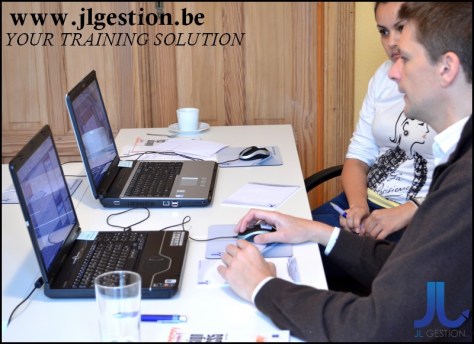

 Training-brussels - business training center in Brussels